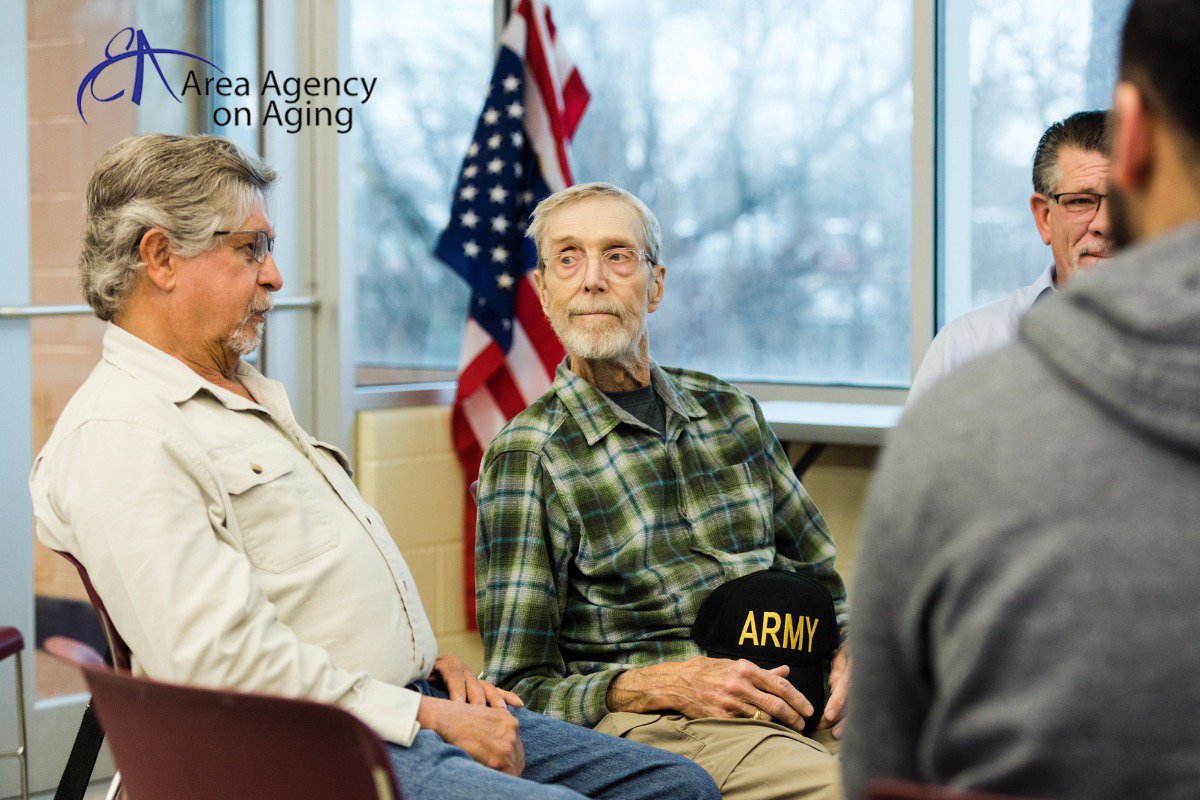
Caregivers for veterans often have a lot on their plates, but support is available, from care respite to support tools. Real help is available; you just need to know where to look. If you’re in East Arkansas, homecare services and caregiver support programs are available to caregivers for veterans at East Arkansas Area Agency on Aging (EAAAA). Learn what can make a meaningful difference, so your loved one can maintain independence and dignity at home. Plus, you get some relief and peace of mind.
While many families assume they must navigate large systems first, the most effective starting point is often local. EAAAA provides home care and supportive services across 12 counties in Northeast Arkansas, with a focus on helping older adults and disabled individuals remain in their homes as long as possible.
Key Takeaways:
- You don’t have to figure out veteran caregiver support by yourself.
- East Arkansas Area Agency on Aging (EAAAA) helps veterans, older adults, and people with disabilities stay safe at home for as long as possible.
- Home Care for Veterans is not one-size-fits-all; help can match real daily needs, like personal care, meals, light housekeeping, rides, errands, and other support at home.
- After approval, a registered nurse (RN) can visit the home and help set up a personal care plan with the person and their doctor.
- Care at home is provided by certified aides. Families can feel more at ease because aides have background checks and drug screenings.
- Caregiver stress and burnout are common, and they can build up slowly. Getting help early can protect the caregiver’s health and the veteran’s safety.
- If things change (like walking becomes harder, memory changes, safety concerns, or the caregiver can’t help as much), you can ask for a care plan review. Services can be adjusted to fit what’s happening at home.
- EAAAA can help with the application process. They offer hands-on support to help families complete paperwork and gather the right documents, which can help avoid delays.
What Does In-Home Support Look Like for Caregivers of Veterans?
Home care for veterans is designed to support independence, safety, and dignity at home. Depending on eligibility and care needs, services may include:
- Personal hygiene support
- Meal preparation
- Light housekeeping
- Exercise support
- Medication assistance
- Shopping/errands
- Transportation
- Health-related tasks
- Nutrition support
- Dressing
Who Provides the In-Home Care?
Care is provided by certified aides who have completed extensive background checks and drug screenings, so families and caregivers for veterans can feel confident about who is coming into the home.
Additionally, a registered nurse can make home visits and work with the individual and their physician to develop a personalized care plan. This helps align in-home support with medical guidance and changing needs over time.
If you or your loved one qualifies, EAAAA can help coordinate in-home assistance that fits real day-to-day needs, not a one-size-fits-all checklist.
What are Common Signs That Caregivers for Veterans Need More Support?
Ask yourself: “Am I often exhausted, overwhelmed, or starting to feel hopeless?” If yes, it may be time to adjust your support plan.
Also, you may need help if you are:
- Running on little sleep, or you can’t “catch up,” even after rest
- Constantly on edge, short-tempered, or emotionally shut down
- Skipping meals, appointments, or neglecting your own health
- Feeling alone in the responsibility or resentful that you can’t step away
- Worried you might make a mistake with medications, transfers, or safety
Caring for yourself isn’t optional; it’s part of protecting the veteran’s care, too. If you’re in immediate emotional distress, you can call or text 988 (the AR Crisis Lifeline) for 24/7 support.
Who May Be Eligible for EAAAA Home Care for Veterans?
Eligibility can depend on several factors, including the veteran’s situation and the specific services being requested. The most helpful next step is to speak with East Arkansas Area Agency on Aging directly, because you’ll get clear guidance based on your county and your family’s needs.
Supporting Caregivers for Veterans During the Application Process
If the application process feels overwhelming, you’re not alone. Our team at East Arkansas Area Agency on Aging will provide hands-on assistance when you or a loved one applies, helping ensure the application is completed correctly and that all necessary documentation is included.
If you have them available, it can help to gather:
- Basic contact information for the veteran (or spouse)
- The county where services are needed
- A brief list of the help needed at home (bathing, meals, transportation, etc.)
- Any relevant medical/provider information (if available)
How Do You Monitor and Manage Home Care Services and Support?
Caregivers can use a simple system to stay organized and reduce stress:
- Keep a single notebook (or phone note) for daily care tasks, concerns, and changes
- Track medications, appointments, and any safety issues (falls, confusion, missed meals)
- Save copies/photos of important paperwork and contact information
- Write down questions as they come up so you don’t have to remember them later
Most importantly: stay in touch with your care contacts. If something changes, such as health, mobility, caregiver availability, or safety at home, report it early so the care plan can adapt.
Can I Request a Care Plan Review if Needs Change?
Yes, if the veteran’s needs increase (or the current support level no longer fits), request a review as soon as possible.
Helpful documentation can include:
- A short care log (what’s getting harder, what’s taking longer, new risks)
- Notes from a physician or clinician (when available)
- Any recent changes in mobility, memory, behavior, or medical status
East Arkansas Area Agency on Aging can help you communicate changes clearly and ensure the plan of care reflects what’s actually happening at home.
Supporting Caregivers for Veterans
Even with help in the home, caregiving can take a toll. Building a support plan matters. Because caregiver health is part of the veteran’s care plan, too.
Burnout often builds gradually, especially when caregiving becomes “normal,” and you don’t realize how much you’re carrying. Common warning signs include missed sleep, low energy, irritability, feeling numb, and feeling isolated.
How Can Caregivers Manage Stress and Avoid Burnout?
One of the most effective ways to protect your health (and your loved one’s safety) is to build support into the plan early, before you hit a breaking point.
Support Groups
Shared support reduces isolation and helps caregivers feel understood. Support groups (in-person or virtual) can help you:
- Learn practical strategies from people in similar situations
- Get emotional support without judgment
- Build confidence during difficult seasons of care
- Find local resources you may not hear about otherwise
If you’re not sure where to start, EAAAA can often help point you toward caregiver education and community-based supports in Northeast Arkansas.
How Does East Arkansas Area Agency on Aging Support Veterans and Their Caregivers?
At East Arkansas Area Agency on Aging, we understand the unique challenges caregivers for veterans face. We provide hands-on assistance when you or a loved one applies for in-home veteran support to ensure the application is correct and all documents are included.
Once approved, an RN from EAAAA will make home visits and work with individuals and their physicians to develop a personalized plan of care. All certified aides who provide care in the home have passed extensive background checks and drug screenings.
Contact Us Today
Whether you need financial support, guidance, or a plan for relief, you are not alone, and you deserve support that is reliable, clear, and sustainable.
More caregiver resources can give you further guidance, but when it comes to finding the right resources for you or your loved one, East Arkansas Area Agency on Aging can be a helping hand. Contact us to learn more about how we can help you care for your veteran loved one.