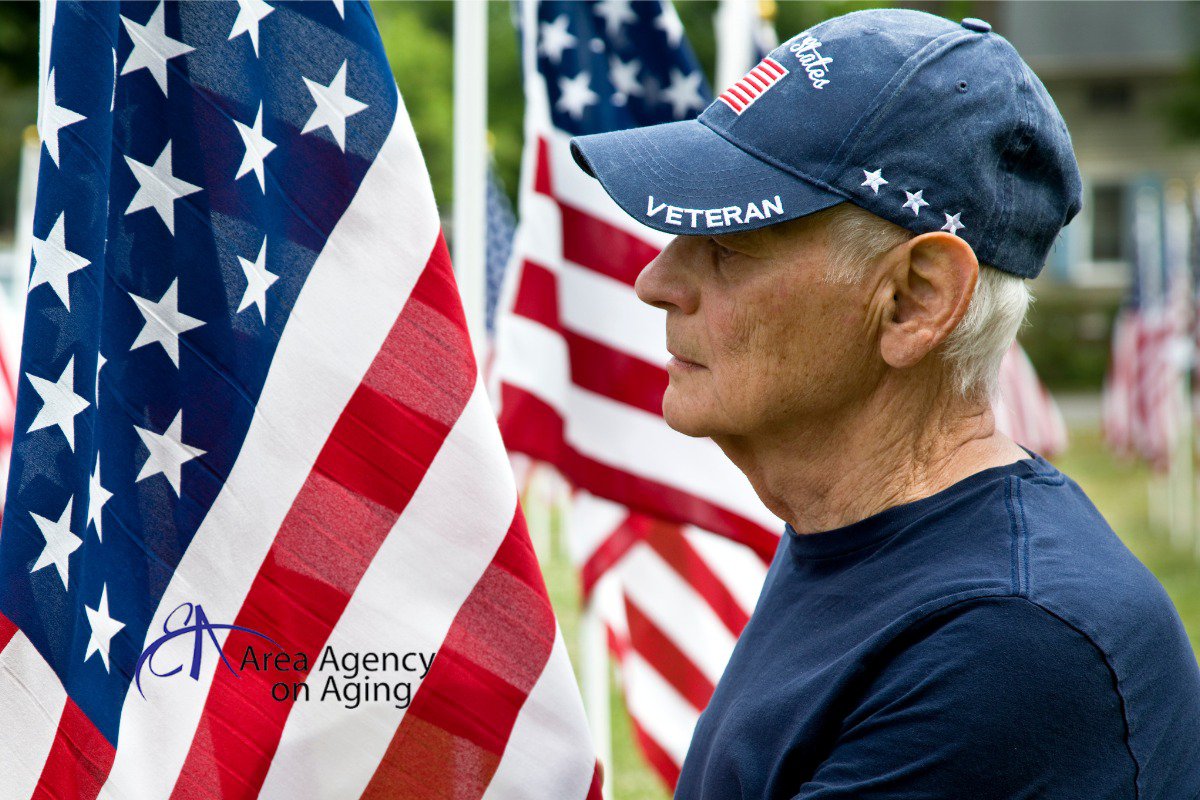
If you care for an aging Veteran in your family, there may be in-home support available. Caregiver support for Veterans can reduce daily stress and help your loved one stay safe at home. From help with bathing and meals to caregiver support and care coordination, these services can make a meaningful difference. However, we know they can also seem confusing. Understanding the basics of what services are included and how to find them can help you identify what help may apply and take the next step with confidence. You can find local guidance and further steps through the East Arkansas Area Agency on Aging (EAAAA) website.
Key Takeaways:
- Veteran home care can include medical support (nursing or therapy) and non-medical help (bathing, meals, light chores, safety support).
- Common home-based supports may include home health aides, skilled home health, primary care in the home (for those who qualify), adult day services, respite, hospice/palliative support, and consumer-directed options (where available).
- Eligibility typically depends on health needs, program availability, and benefit requirements, so it helps to talk with a local expert who can review the situation.
- Costs may vary. Some Veterans may have low or no out-of-pocket costs depending on benefits, income factors, and program rules.
- Caregivers may have access to education, respite, and support; some situations may also include financial assistance options.
- If you’re unsure where to begin, start with a conversation and a needs review.
How Can Support Services Help Both The Caregiver and the Veteran?
Caregiver support for Veterans Caregivers who are supporting Veterans at home may be able to access several types of help that address both the Veteran’s health needs and the caregiver’s day-to-day responsibilities. The right fit depends on what the caregiver needs assistance with—such as respite care, in-home support, training, or help navigating benefits—along with what services are available locally.
What is the Difference Between Medical and Non-Medical Veteran Home Care?
Medical home care is provided by licensed professionals (like nurses or therapists). Non-medical home care helps with daily tasks like dressing, bathing, meals, mobility support, and light housekeeping.
Medical home care is often used when a Veteran is recovering, managing a chronic condition, or needs ongoing treatment at home. For example, a nurse might help with medication management, wound care, or monitoring symptoms.
Non-medical home care supports daily safety and routine. An aide can help a Veteran get up safely, keep clean, eat regular meals, and maintain a more manageable home environment. Many families also value companionship and consistent check-ins.
What Long-Term Services Are Included In Caregiver Support for Veterans?
Below is a practical overview of common categories families ask about. Availability and eligibility can vary, so consider this a starting point for questions to ask.
| Care Option | What it Helps With |
|---|---|
| Home health aide / personal care support | Bathing, dressing, grooming, meal help, mobility support, basic home routines |
| Skilled home health care | Nursing and therapy services, often following hospitalization or with ongoing clinical need |
| Primary care support in the home (for qualifying Veterans) | Provider-led care at home when travel is difficult and needs are complex |
| Adult day services (not in-home) | Supervised social activities, meals, and therapeutic support during the day |
| Respite care | Temporary relief for family caregivers while the Veteran is cared for safely |
| Hospice or palliative support | Comfort-focused care, pain relief, and quality-of-life support in serious illness |
| Consumer-directed/care budget options (where available) | More flexibility in choosing helpers and structuring care |
Home-Based Caregiver Support for Veterans to Stay Independent
Most home care plans start with a needs conversation involving what the Veteran can do safely, what’s becoming difficult, and what support would reduce risk and stress.
Home-based services like those available through EAAAA can help:
- Reduce falls and prevent injuries
- Support medication routines and nutrition
- Reduce caregiver burnout
- Delay or avoid premature nursing home placement when safe and appropriate

Who is eligible for Veteran home care services?
Eligibility for home care services depends on the program, the Veteran’s needs, and what’s available locally. In many cases, a professional review of medical and daily-living needs is required.
In real life, families usually get traction fastest by starting with:
- A clear list of what the Veteran struggles with (bathing, cooking, walking safely, remembering meds, etc.)
- A summary of diagnoses and recent hospitalizations (if any)
- A conversation with a trusted local resource who can explain options and help you navigate the process
Does household income affect eligibility or cost?
Sometimes, household income may have an impact on the cost of home caregiver support for Veterans, as well as eligibility. Depending on the benefit and program, income can influence out-of-pocket costs or what financial assistance may be available. Because rules and personal situations vary, it’s best to review the Veteran’s situation with a knowledgeable local organization like EAAAA.
Service-Related Disabilities and Medical Needs
Some programs place more weight on functional need (help with ADLs like bathing and dressing). Others may be influenced by disability ratings, clinical eligibility, or specific benefit rules.
If your loved one has dementia, mobility limitations, frequent falls, a history of strokes, or difficulty managing daily routines, those details matter. Write them down before you call, so nothing gets missed.
How can caregivers benefit from support services?
Caregivers often need support just as much as the Veteran does, especially when care is daily, physically demanding, or emotionally draining.
Caregiver support may include:
- Education and coaching
- Referrals and care navigation
- Respite options
- Help building a realistic care plan
If you’re overwhelmed and not sure what to ask for, start with a local conversation.
How to Apply for Veteran Home Care and Caregiver Help
To apply for Veteran home care, start with an assessment and a plan. Most families move forward faster when they talk to someone who can explain the steps, required documents, and local service availability.
You may want to gather:
- Proof of military service (if available)
- Insurance information (if applicable)
- Current medication list
- Recent discharge paperwork or diagnosis list
- Notes on daily challenges (falls, missed meals, bathing difficulty, confusion, etc.)
If you’re in Northeast Arkansas and want help understanding options, paperwork, and local support, East Arkansas Area Agency on Aging (EAAAA) can help connect Veterans and caregivers with appropriate resources and services.
FAQs About Caregiver Support for Veterans
What is Veteran home care?
Veteran home care is support that helps a Veteran stay safe at home. It may include personal care (like bathing and dressing), help with meals and daily routines, and, in some cases, medical services delivered at home.
How do I find out what home care a Veteran qualifies for?
Start with a needs review and local guidance. In Northeast Arkansas, EAAAA can help you understand options and next steps.
Can a family caregiver get support?
Yes, family caregivers to Veterans can receive support. Many caregivers can access education, planning help, and respite options depending on the situation. The best first step is to discuss your caregiving role and the Veteran’s needs with a local resource.
Caregiver Support in East Arkansas
Caregiving can be deeply meaningful, but it can also be exhausting. You don’t have to do it alone. If you’re supporting an older adult or a loved one with a disability in Northeast Arkansas, East Arkansas Area Agency on Aging is here to help you find practical resources, encouragement, and services that ease the day-to-day load. Reach out to our team to talk through your situation, explore caregiver support options, and learn about programs that can support safety, independence, and dignity at home.
Visit East Arkansas Area Agency on Aging to get started or contact us today to connect with someone who will listen and help you take the next step.