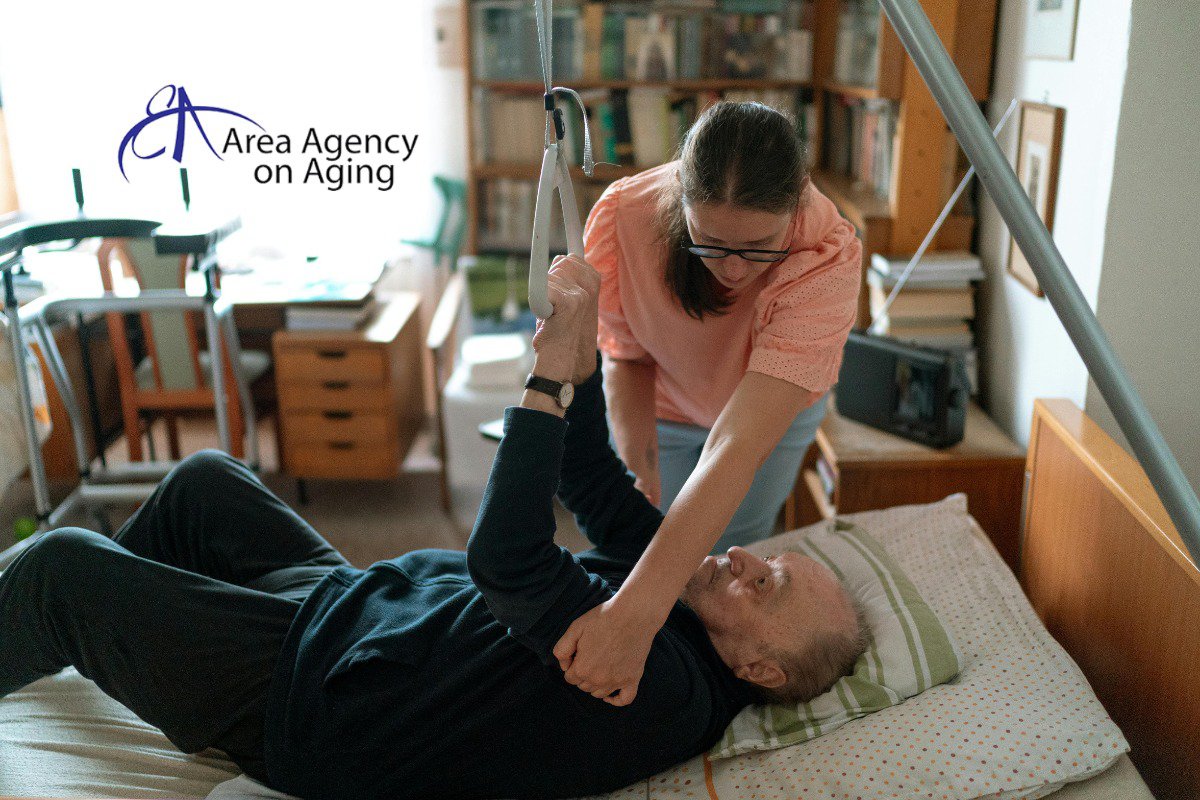
If you care for an aging veteran in your family, here’s what you need to know: the VA provides in-home support that can reduce daily stress and help your loved one stay safe at home. From personal care to caregiver stipends, these veteran home care services can make a big difference. But they can also be confusing. Take some time to discover the basics so you can find and use the help your family has earned.
Key Takeaways:
- The VA offers in-home services, including medical care (nursing/therapy) and non-medical help (bathing, meals, basic chores).
- Common VA home programs include Homemaker/Aide, Skilled Home Health, Home-Based Primary Care, Veteran-Directed Care, Respite, Hospice, and Adult Day Health.
- Basic eligibility requirements include enrollment in VA health care, a need for at-home care, and access to programs offered in their area.
- Income can affect cost; many lower-income veterans qualify for $0 copays.
- Some family caregivers may qualify for monthly pay through PCAFC if caring for a veteran with a serious service-related injury that happened before 1975 or after 9/11.
- VA Form 10-10EZ is used to apply for VA health care (often the first step).
- Surviving spouses may qualify for help through Aid & Attendance or CHAMPVA (depending on their situation).
- Mental health support may include in-home visits and telehealth options.
Types of In-Home Care Services Available For Veterans
Veterans who want to stay at home can access several types of support. The Department of Veterans Affairs provides programs that help with both health needs and everyday living tasks. Each program is a little different, depending on what the veteran needs.
What is the Difference Between Medical and Non-Medical Veteran Home Care Services?
Medical home care is provided by licensed professionals like nurses or therapists.
Non-medical home care helps with daily tasks like dressing, eating, bathing, and light cleaning.
Medical care is often used when a veteran is recovering, managing a serious illness, or needs ongoing treatment. For example, a nurse might help with wound care or medication checks.
Non-medical care helps with day-to-day basics. Aides can help veterans get up safely, eat regular meals, stay clean, and keep the home more manageable. Some veterans also benefit from companionship and routine support.
What Long-Term Veteran Home Care Services Does the VA Offer for Elderly Veterans?
The VA offers several long-term care options:
| VA Care Options | Benefits of Care |
|---|---|
| Homemaker and Home Health Aide Program | Helps with cleaning, meals, bathing, and other daily needs so veterans can live safely at home. |
| Skilled Home Health Care | Provides nursing and therapy services, often after a hospital stay, to support recovery at home. |
| Home-Based Primary Care | Sends medical providers to the home for veterans who are too sick or limited to travel to appointments. |
| Adult Day Health Care | Not in the home, but offers supervised social and therapeutic activities at a center during the day. |
| Home Respite Care | Gives family caregivers a short break while trained staff care for the veteran temporarily. |
| Palliative and Hospice Care | Focuses on comfort, pain relief, and quality of life for veterans with serious or end-of-life needs. |
| Veteran Directed Care (VDC) | Provides a monthly budget so veterans can hire their own helpers and arrange services in a way that fits their life. |
The VA in-home programs page provides more information about these benefits.
How Does the VA Support Senior Veterans Through Home-Based Programs?
Most VA home programs start with a personalized care plan. A VA care team talks with the veteran and/or family, reviews needs, and connects them with services available nearby.
These programs don’t replace hospital care, but they can help veterans avoid repeated ER visits or early nursing home placement. Some veterans may need weekly visits, while others need daily support. Usually, a VA provider must approve services, and the veteran must be enrolled in VA health care.
The VA also supports family caregivers through education, peer support, and help understanding care planning.
Who is Eligible for Veteran Home Care Services at the VA?
To receive VA home care, three main things usually must be true:
First, the veteran must be enrolled in VA health care. If they are not enrolled, start at VA Health Care Enrollment.
Second, the veteran must have a confirmed need for home care. A VA provider reviews medical and daily-living needs to decide what support is appropriate.
Third, the service must be available where the veteran lives. Not every VA program is offered in every location, so availability depends on the local area.
Does Household Income Affect Eligibility for VA Home Care?
Yes. The VA places veterans into priority groups (often described as Categories 1–8) based on factors like income, family size, and medical needs. Many lower-income veterans qualify for $0 copays, while higher-income veterans may have small copays for some services. Income limits can change each year, so it’s important to check the current thresholds on the VA site.
Service-Related Disabilities and Medical Needs
VA home care is not only for veterans with service-connected disabilities. However, a service-connected disability, especially a higher rating (such as 70% or more), may open access to more services.
The VA also looks at daily limitations. If a veteran struggles with dressing, walking safely, cooking, or managing medications, they may qualify even with a lower disability rating. Conditions like dementia, stroke, or ALS often increase the need for home support.
Programs such as The Veteran Senior Advantage can also help veterans and families understand benefits and use local resources.
How Can Caregivers Benefit From VA Support Services?
Family caregivers can get education, coaching, and breaks through the VA Caregiver Support Program. Support may include classes, peer support, and a helpline. Respite care may be available so caregivers can take time off while the veteran is cared for safely.
How Do Caregivers Get Paid Through VA Programs?
Some caregivers can receive a monthly stipend through the Program of Comprehensive Assistance for Family Caregivers (PCAFC). Eligibility depends on the veteran having a serious service-related injury and needing ongoing help. Payment levels depend on the veteran’s needs and the caregiver’s location.
What Are the Eligibility Requirements to Access Caregiver Support?
PCAFC typically requires:
- A serious service-related injury
- A need for personal care support for at least six months
- Injury dates that fall within the VA’s qualifying time frames (before May 7, 1975, or after September 11, 2001)
- A caregiver who is 18+ and lives with the veteran or plans to
Only one caregiver receives pay, but additional family members may still qualify for training and support.
Another option is the Program of General Caregiver Support Services (PGCSS). It is open to caregivers of any veteran enrolled in VA health care, but it does not include monthly pay.
What is the VA Homemaker and Home Health Aide Program?
This program helps veterans with personal care needs at home, such as bathing, dressing, meals, and light housekeeping.
How Do Homemakers and Home Health Aides Contribute to Veteran Home Care Services?
They help with daily activities like grooming and meal preparation when a veteran can’t safely do these tasks alone. They are trained to help with daily living, but they are not licensed to provide medical procedures.
This program is often used by older veterans and people recovering from illness. It also helps reduce the pressure on family caregivers.
How is This Program Different From Skilled Home Care?
Skilled home care includes nursing and therapy. Homemaker/aide services focus on non-medical daily support. Homemaker aides help with hands-on daily needs, while skilled care handles medical treatment and therapy.
Many veterans receive these services at no cost. Others may have a small copay depending on income and VA category. The VA should explain any costs before services begin.
How to Apply for VA Home Care and Caregiver Benefits
Start with VA Form 10-10EZ. It is the application for VA health care. It helps the VA review service history, medical needs, and income to confirm eligibility for services, including home care programs.
You may need:
- VA Form 10-10EZ
- Proof of military service
- Recent income records
- Social Security number and insurance information
- Basic health and contact information
- Legal documents if applying on someone else’s behalf (when required)
Where Can Veterans or Caregivers Submit the Application?
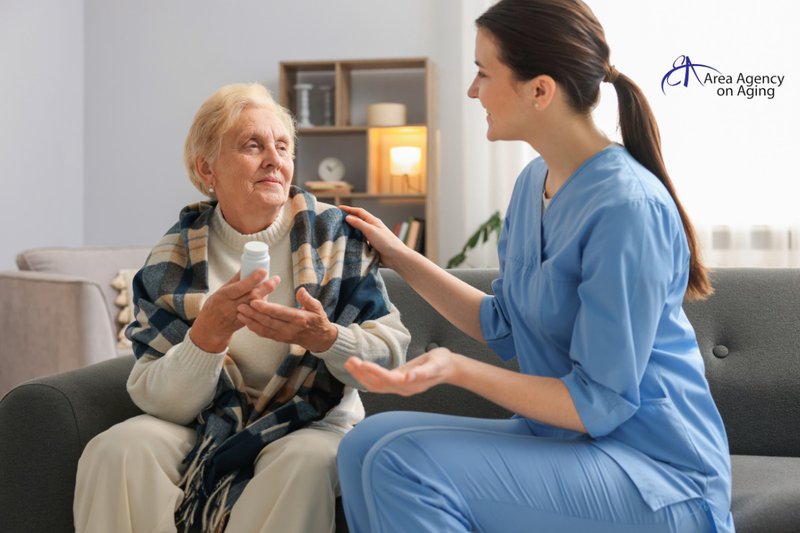
You can apply online, by mail, or in person at a VA medical facility. Online is often the fastest. After applying, the VA may schedule an assessment. If approved, they create a care plan based on the veteran’s needs.
East Arkansas Area Agency on Aging offers support for Veterans and their caregivers throughout the application process.
How Does VA Pay for Veteran Home Care Services?
Home health aides are covered under the benefits when the veteran meets the medical and functional need requirements. Home health aides are usually provided through VA-approved agencies and coordinated with the veteran’s care team.
Some veterans may qualify for extra financial support through programs like Aid and Attendance (as part of a pension) or Veteran Directed Care (a budget the veteran uses to hire help and buy approved supports).
Caregivers may also qualify for PCAFC pay if they meet the program rules.
How Do VA Payments Compare to Medicare?
VA home care often covers more non-medical daily support than Medicare. Medicare home health is usually short-term and focused on skilled needs after a hospital stay, not ongoing help with bathing, cooking, or cleaning.
VA programs can sometimes provide longer-term support if the veteran qualifies.
What Specialized Programs Exist for Veterans With High-Level Needs?
Support may include help with daily tasks, safety support, and home visits from medical staff. Home-Based Primary Care can be especially helpful for veterans with dementia or Alzheimer’s who can’t travel.
Adult Day Health Care may provide structured activities and a safe setting during the day, while also giving families relief.
How Does VA Support Caregivers Managing Dementia or PTSD?
Caregivers can access support groups, education, and respite care. The VA may also offer mental health support and coaching for caregivers. For urgent mental health needs, the Veterans Crisis Line is available 24/7.
What Veteran Home Care Services Cover Mental Health?
Some veterans can receive mental health support through in-home visits or video appointments. Home Telehealth may also help veterans stay connected to care teams through regular check-ins.
What is the Veteran Directed Care Program?
Veteran Directed Care (VDC) helps veterans stay at home by giving them a care budget. Veterans can choose who helps them (sometimes including family) and set schedules based on what they need. If the veteran needs help managing decisions, a trusted person can assist.
The veteran or caregiver manages the budget with help from a counselor. The counselor helps keep spending safe and aligned with the care plan.
Budgets may be used for:
- personal care
- meal help
- cleaning
- transportation to appointments
What’s the Enrollment Process for This Program?
Ask the VA care team about VDC. The veteran generally must be enrolled in VA health care, need help with daily living, and live in an area where the program is offered.
How Can Surviving Spouses and Dependents Qualify for Veteran Home Care Services?
If the veteran qualifies and gives permission, a spouse can help coordinate services and communicate with the care team. Aid and Attendance and CHAMPVA may help, depending on eligibility. Aid and Attendance can provide extra financial help for care needs. CHAMPVA may cover certain health-related services for eligible surviving spouses.
Surviving spouses can apply on their own if they meet income and care-need requirements. If approved, funds can help pay for in-home assistance.
Finding Resources for Veteran Home Care Services
Caring for an aging veteran can be exhausting, but help is available. VA programs can provide in-home care, caregiver support, and financial assistance in the right situations. Many other resources are within reach, from help with caregiving to preventing burnout. It can be a difficult process, but with the right steps, support is within reach. Reach out to us when you feel like it’s the right time to find home care services.