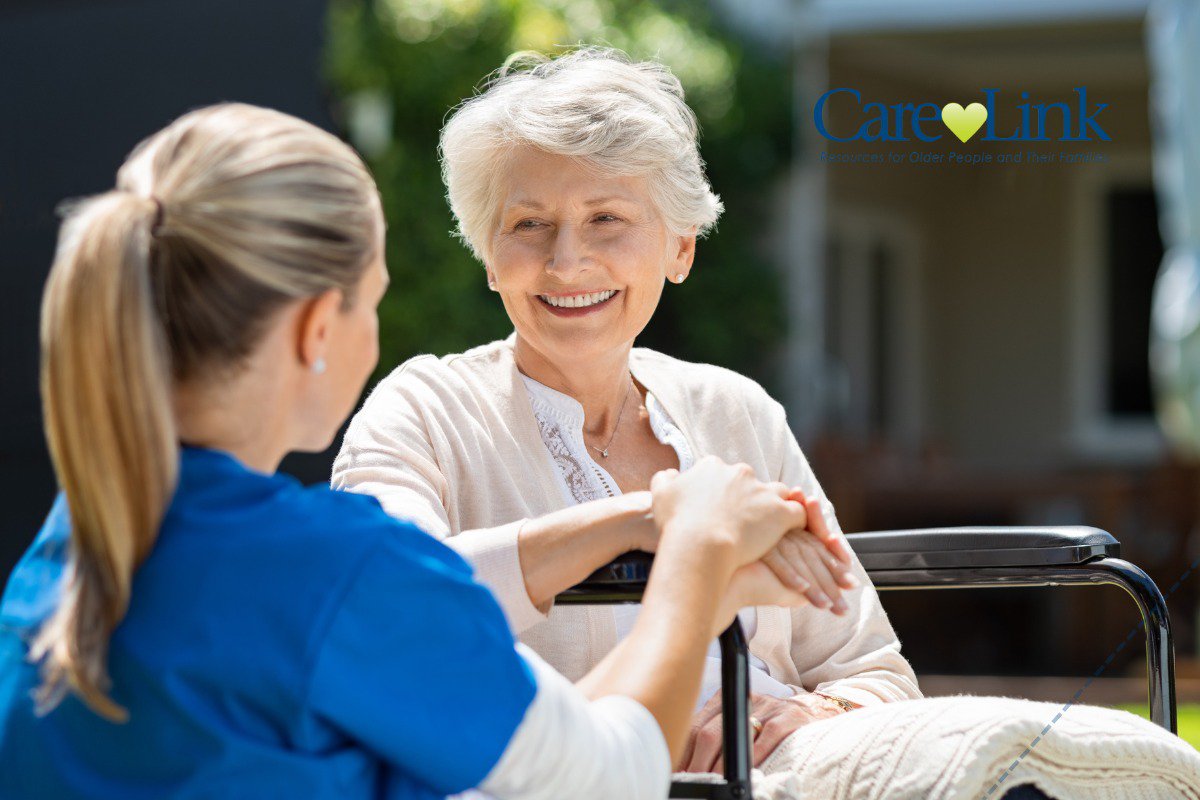
Caring for an aging parent or loved one at home is no small task. Understanding in-home caregiver responsibilities is essential for ensuring your loved one's safety, cleanliness, nutrition, and happiness. Knowing these roles allows you to make informed choices and prevent burnout. The daily duties of caregivers may include morning routines, fall assistance, meal preparation, and more. Discover the support your loved one needs and how to access it.
Key Takeaways:
- Caregivers help with bathing, grooming, dressing, and toileting to support hygiene and comfort.
- They manage medication reminders, monitor side effects, and arrange refills.
- Meal prep follows dietary guidelines (soft, low-salt, etc.); caregivers also offer support with hydration and feeding.
- Daily routines include cleaning (light housekeeping, laundry), meal assistance, and companionship.
- Mobility support includes gait belts, walkers, proper lifting, and fall prevention.
- Caregivers adjust homes with grab bars, nightlights, and emergency procedures.
- Emotional support is provided through conversation, shared activities, and presence to ease loneliness.
- They keep records, coordinate visits, and update health professionals.
- Care routines encourage independence with tasks safe for seniors to manage alone.
- Strong caregivers are empathetic, communicative, dependable, and trained in CPR and first aid.
Daily In-Home Caregiver Responsibilities
An in-home caregiver’s day often begins with assisting the individual to wake up and prepare for the day. This includes helping with bathing, brushing teeth, and dressing, ensuring that older adults feel clean and refreshed. These essential tasks start the day on a positive note.
Midday activities often involve light housekeeping tasks like washing dishes, sweeping, or wiping surfaces. A clean property reduces the risk of illness and promotes safety. Caregivers might also change bed sheets and handle laundry, using gloves for protection during cleaning.
Afternoons may include engaging activities like walks, games, or puzzles to keep minds active and improve mood. A brief rest or nap can follow, depending on the routine.
Like the morning routine, evening care involves freshening up with new clothes, hair brushing, and skincare. Applying lotion helps prevent dry skin and pressure sores, especially for those who remain in bed for extended periods.
Nutritional Support and Medication Management
Caregivers play a crucial role in breakfast preparation, tailoring meals to fit dietary needs. Some individuals may require soft or low-salt foods. For those with difficulty chewing or swallowing, meals should be easy to consume. Caregivers often plan far in advance, cooking or reheating meals as needed.
A significant responsibility is ensuring the timely administration of medications. While caregivers do not modify doses or administer injections, they remind individuals, track medication supplies, and alert families to any mood or health changes related to medications.
Daily Record-Keeping and Safety Checks
Caregivers maintain detailed daily records of meals, activities, and behaviors, helping to identify any early changes in overall health. The day concludes with safety checks, ensuring nightlights function, water is accessible, and all treatments have been taken, providing peace of mind overnight.
For more information on improving daily care routines, explore the in-home senior care service guide for effective caregiver strategies that support both safety and independence.
In-Home Caregiver Responsibilities: Personal Hygiene and Comfort
Personal hygiene support is essential in caregiving at home. Clean skin and clothing prevent illness and enhance self-esteem, forming a cornerstone of overall well-being.
Caregivers assist with bathing, whether through baths, showers, or careful sponge baths to prevent slips. They manage hair brushing, nail care, and oral hygiene, reducing infection risk and promoting freshness. Effective oral care, including brushing and rinsing after meals, safeguards against gum disease and tooth problems.
Managing Incontinence and Toileting
Caregivers address incontinence by changing briefs and maintaining clean skin. Monitoring bathroom timing and noting any pain or confusion during toileting can prevent skin problems and indicate underlying issues. Supports like pads, bedside toilets, and safety hinges enhance bathroom safety.
Dressing and Skincare Routines in Elderly Care
Caregivers assist with selecting and donning easy-to-use clothing, such as soft pants or button-up shirts. Skincare involves applying lotion, checking for irritation, and repositioning individuals regularly to prevent sores. Light massages aid comfort and circulation, contributing to physical and emotional well-being.
These tasks transcend basic cleanliness; they maintain dignity and support everyday health. East Arkansas Area Agency on Aging provides resources to caregivers with essential tools and training to enhance care.
How caregivers help with mobility, transfers, and preventing falls
Caregivers are essential in helping seniors move safely and stay stable.
Moving around safely
They assist with walking and standing, using tools like walkers and wheelchairs to prevent injuries, making sure they're used correctly.
Safe lifting and transfers
Using proper techniques like bending knees and keeping the back straight is key. Caregivers use their legs for lifting and might use a gait belt. For more help, another person or special equipment may be needed.
Fall prevention strategies
Caregivers remove obstacles like rugs and cords, add grab bars in bathrooms, and ensure stair railings. Good shoes with grip help prevent slips, and bright lights improve visibility. If falls happen often, caregivers inform medical staff to find better aids or exercises to boost strength and movement.
Training and preparedness
Caregivers get training from professionals, sometimes through videos or guides. Family caregivers are encouraged to learn safety tips to keep loved ones upright and secure.
Ensuring Home Safety and Emergency Preparedness in In-Home Caregiver Responsibilities
Creating a safe environment is essential in caregiving.
Adapting a home for safety is crucial for caregivers, involving tools like grab bars, nightlights, and non-slip mats to minimize fall risks, especially for those with balance or vision issues. Hazard control includes locking away dangerous items and using child locks and taped cords, while regular safety checks ensure alarms work and exits are clear. Emergency preparedness involves creating contact plans, having accessible phones, and first aid kits, with caregivers trained in first aid and CPR. These measures reduce stress and support independence, with further strategies available at East Arkansas Area Agency on Aging.
In-Home Caregiver Responsibilities: Emotional Support and Companionship
Companionship in In-Home Caregiving
Companionship in caregiving involves being present, engaging in conversations, and demonstrating that the person matters. This interaction lifts mood, builds trust, and stimulates the brain. Conversations about past experiences, family, or daily concerns can significantly impact mental well-being. Feeling heard often equates to feeling cared for, fostering strong emotional bonds.
Enhancing Mental Well-Being Through Conversation
Regular conversations play a crucial role in keeping the brain active. Discussing past experiences or personal interests sparks memory and establishes connections. This practice can be especially beneficial for those experiencing memory loss. Additionally, music, games, and photos contribute to mental wellness. Familiar songs can reduce stress and provide a sense of purpose, while puzzles and other activities can brighten the day.
Reducing Loneliness Through Caregiver Presence
The simple presence of a caregiver can ease feelings of loneliness. Sharing meals, watching a show, or reading together offers comfort and connection. Gentle touch, like holding hands or a hug, can further alleviate fear and provide reassurance. Facilitating outings or calls to friends and relatives enhances social interaction, while letter writing and video calls help maintain connections, reducing isolation.
Supporting During Emotional Challenges
In times of grief or anxiety, caregivers provide a steady presence, listening and allowing space for healing. They show kindness and calm, helping the individual navigate difficult emotions. Engaging in activities such as looking at photos, praying, or lighting a candle can evoke a sense of peace, supporting emotional healing and honoring life’s transitions.
Explore more on providing support at Caregiving Made Easy, with steps to care for both body and heart.
In-Home Caregiver Responsibilities: Household Tasks
Light Housekeeping Responsibilities
Light housekeeping tasks address the safety and comfort of the individual. This includes vacuuming, wiping counters, taking out trash, and washing dishes. Caregivers also dust and handle minor messes, though deeper cleaning tasks, such as scrubbing walls or windows, are typically reserved for other services.
Laundry and Linen Management
Caregivers manage laundry and linens by washing and folding clothing, towels, and bedding. Regularly changing linens is particularly important for individuals with incontinence or illness, reducing skin problems and enhancing comfort and dignity.
Shopping for Essentials
Caregivers often handle shopping or order items online, following a set list or budget to ensure household basics are restocked. Checking expiration dates on food and disposing of spoiled items is part of this role. Essential supplies like soap and paper goods are purchased regularly.
Ensuring Property Safety
Caregivers proactively identify safety risks such as clutter, cords, and poor lighting. Issues like loose rugs, dim hallways, and obstructed walkways are addressed to ensure the safety of individuals with memory or balance concerns. Smoke alarms are checked routinely, and sharp or hazardous objects are stored safely.
Importance of Housekeeping in Caregiving
Maintaining a clean, organized property contributes to overall well-being by reducing stress and promoting a calm environment. This foundation supports the success of more involved care routines, benefiting caregivers, seniors, and families alike.
For additional insights and resources, visit East Arkansas Area Agency on Aging for strategies supporting safety and independence.
In-Home Caregiver Responsibilities Supporting Healthy Nutrition
Nutrition in In-Home Caregiver Responsibilities
Caregivers ensure seniors receive balanced meals tailored to their health needs. Following guidance from doctors or dietitians, they prepare meals that fit special dietary requirements, such as soft, blended, or low-sodium foods for specific health conditions.
Focusing on individual preferences, caregivers serve warm and familiar dishes in small portions to enhance enjoyment and encourage eating. Favorite meals and homemade flavors often improve appetite. Families are encouraged to provide meals in advance to offer more options and ease the caregiver workload.
Hydration and Feeding Support
Caregivers help maintain hydration by offering water, juice, or broth throughout the day, placing drinks within easy reach. Nutrient-rich foods like soups and smoothies contribute to overall fluid intake.
In cases where feeding assistance is needed, caregivers provide gentle guidance during meals, ensuring a dignified experience. A slow pace and positive reinforcement make dining more enjoyable and stress-free.
Nutrition specialists can assist caregivers by devising customized plans for unusual dietary needs, ensuring both weight management and health concerns are addressed effectively.
For more information, explore the caregiver guide on elder care.
Managing Appointments, Medication, and Documentation: In-Home Caregiver Responsibilities
Appointment Management in In-Home Caregiver Responsibilities
Caregivers coordinate various tasks to maintain a smooth and error-free care routine. They use tools like lists, apps, or pillboxes to ensure medication adherence, managing schedules for complex medication regimens.
Supplies are regularly monitored, refills requested, and medicines safely stored. Items requiring security, like sleeping pills, may be locked away, with expired medications checked routinely.
Documentation and Communication
Detailed records of meals, symptoms, activities, and behaviors are maintained to assist doctors in decision-making and identifying patterns. This strong note-keeping allows caregivers to spot emerging trends early.
Caregivers arrange and attend medical appointments, bringing critical questions and updates to healthcare providers. New care plans and instructions are documented and communicated to all relevant parties. Regular family updates are provided via journals, emails, or group messages to keep everyone informed.
Explore more details at East Arkansas Area Agency on Aging.
Effective record-keeping and medication management protect older adults and prevent care mistakes, ensuring peace of mind for all involved.
Important Caregiver Traits in In-Home Caregiver Responsibilities
Caregivers must exhibit empathy, a critical trait that involves understanding and responding gently to the individual's feelings. This approach addresses the whole person, not just symptoms. Patience, warmth, and strong communication are essential for building trust with seniors and their families. Good communication also helps avoid confusion, ensuring clear expectations and reliability.
Physical Skills for In-Home Caregivers
Physical strength, balance, and safe lifting skills are vital. Tasks such as helping someone bathe or transitioning into a chair require energy and proper techniques to prevent harm. Caregivers must think quickly and adapt plans on the spot, handling emergencies with composure. CPR and first aid training are often necessary, alongside specialized courses in Alzheimer's care or feeding methods. For resources in professional growth, visit Understanding the Roles of Caretaking.
Caregivers who are steady, thoughtful, and always learning form the backbone of quality care. Their hands, hearts, and dedication shape the everyday lives of those they support, ensuring safety and promoting dignity in aging.
Responding to Changes in Health and Emergency Situations as an In-Home Caregiver's Responsibilities
Identifying Health Changes in In-Home Caregiver Responsibilities
Caregivers should be alert to behavioral or physical changes that may signal health issues. Symptoms such as quietness, confusion, bruising, or breathing difficulties are key indicators. Changes in eating or sleeping patterns may also suggest underlying problems. Caregivers observe and trust their instincts when they notice something unusual.
Appropriate Action for Caregivers When Concerns Arise
Documenting any signs of concern is crucial. Caregivers should record the time, date, and specific details of observations. Such documentation aids healthcare professionals in making informed decisions. In acute situations such as chest pain or breathing difficulties, calling 911 is essential. Emergency contact numbers should be readily available. Knowing the appropriate doctor to contact and having the necessary records on hand is vital.
For detailed guidance, visit East Arkansas Area Agency on Aging
Emergency Preparedness in In-Home Caregiver Responsibilities
Caregivers should prepare both printed and digital lists that include essential contact details. These should encompass doctors, medications, allergies, birth dates, and insurance information, clearly posted in the property. Some caregivers might also keep this information on a card in a wallet or smartphone.
Handling Emergencies: Training and Calmness
In emergencies, caregivers must remain calm, utilizing skills from first aid training. Performing CPR or assisting with choking should be done only if properly trained. During falls, caregivers stay nearby and refrain from moving the individual if unsafe. Maintaining a calm voice until help arrives is beneficial.
For more information about services and support, visit East Arkansas Area Agency on Aging.
Early Detection of Health Issues Is Crucial
Catching small health issues early prevents them from escalating into significant problems, reducing hospital visits. Recognizing signs such as reduced eating can lead to better care and prompt medical attention for potential underlying conditions.
Post-Emergency Responsibilities for In-Home Caregivers
After an emergency, caregivers should log any changes and implement new care steps, including medication adjustments or routine changes. Sharing this information with family members or support staff is vital to ensure continuity of care.
By staying observant, documenting carefully, and maintaining composure during crises, caregivers play a pivotal role in safeguarding their loved ones’ well-being.
Discover Tools to Enhance Home Care
Are you seeking more resources to support your loved ones at home? The East Arkansas Area Agency on Aging is here to help. Our comprehensive range of tools and guides empowers caregivers to provide top-notch care with confidence. From daily routines and safety measures to emotional support and nutrition plans, we offer solutions tailored to your unique needs.
Don't navigate this journey alone. Reach out to us for personalized assistance and expert advice. Contact us today to connect with professionals dedicated to enhancing the quality of life for seniors in Northeast Arkansas.